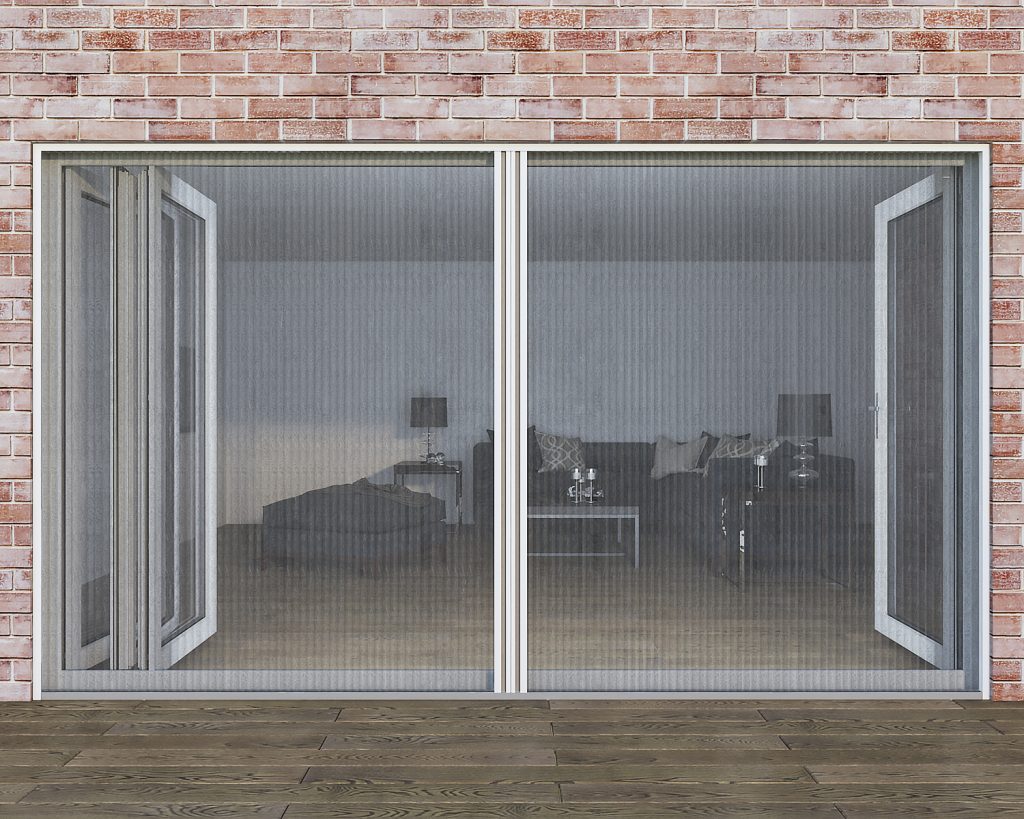
The microclimate in Melbourne is brutal enough to tear cheap mesh in just one season. There is a salt-laden breeze coming from Port Phillip Bay, and let’s not forget the omnipresent harsh UV rays; between all this, it becomes highly crucial to choose the right insect screens in Melbourne. Numerous material options are present, but most of them start showing the signs of wearing down in just a couple of seasons.

Start With The Exposure, Not The Price
Standard fibreglass mesh is an economical solution, and suits many sheltered residential openings. However, it is not ideal for areas where repeated impact, pets or harsh exposure are expected.
Heavy-duty vinyl-coated polyester, including pet mesh-type products, handles mechanical abuse better.
For corrosion exposure, marine-grade 316 stainless steel is different as it offers high tensile strength and strong resistance to corrosion. These characteristics make it worth considering around coastal Melbourne or openings that see frequent handling. However, the features mentioned here don’t make it maintenance-free.
Melbourne has many microclimates: a sheltered inner suburb, a windy bayside property and a sunny western-facing opening can age a screen very differently. Protective coatings, frame condition, fixings, and installation quality matter as much as the mesh. The most durable screen is not necessarily the strongest mesh. It is the material system correctly matched to the exposure.
What To Compare Before Ordering?
- UV exposure: Prolonged sun can accelerate aging in some polymer meshes and coatings.
- Mechanical Stress: Doors, pets and children create far more flexing and impact than fixed windows.
- Salt and Moisture: Coastal air makes corrosion resistance more important, particularly around fixings and frames.
- Cleaning: Rinse accumulated salt and grime rather than letting contamination sit on the mesh and hardware.
Decisions related to window screen installation in Melbourne should be made after considering the whole opening, not just the mesh roll. The reason is simple that a door screen Melbourne exposed to constant traffic deserves a different durability assessment from a fixed bedroom window.
Care Differs:
- Fibreglass: Soft brush, soapy water. Never pressure wash.
- Pet Mesh: Vacuum tracks monthly. Grit kills rollers first.
- Marine Grade Stainless: Rinse salt monthly. AS5039-2008 still requires washing or tea-staining starts.
FAQs
Is Fibreglass Mesh Durable Enough For Melbourne?
For sheltered windows, yes; insect screens in Melbourne exposed to pets, impacts, or strong sun may justify a tougher material choice.
Does 316 Stainless Steel Need Maintenance?
Yes; marine-grade stainless resists corrosion, but cleaning helps remove salt and grime before deposits build up on window screen installation Melbourne hardware.
Should Every Coastal Home Use Stainless Mesh?
Not automatically; exposure, opening use, frame condition and budget should guide a door screen Melbourne choice rather than assuming premium mesh is always necessary.
Does Installation Affect Screen Durability?
Absolutely; installation quality affects alignment, tension, hardware loading, and how quickly everyday use wears down a bug screen Melbourne.
Conclusion
The sensible approach is to compare mesh, frame, hardware and exposure together. Then choose the lowest-maintenance system that fits the opening. A reputable installer can assess that before manufacture.